

Cybersecurity threats are evolving faster than ever, and Australian small and medium-sized businesses are increasingly in the crosshairs. The good news? AI-powered security tools are becoming more accessible and affordable, giving SMBs the kind of protection that was once only available to large enterprises. The challenge is choosing the right tools without getting overwhelmed by the options or accidentally creating new security risks.
Recent research shows that 81% of Australian SMBs using free AI tools are putting confidential data at risk, while those investing in enterprise-grade solutions report significantly better security outcomes. The difference isn’t just in the technology: it’s in making informed choices that align with your business needs and Australian compliance requirements.
Let’s walk through five practical steps to help you choose AI-powered cybersecurity tools that will actually protect your business, not complicate it.
Step 1: Create Your AI Security Foundation
Before you even look at tools, you need a solid foundation: an AI use policy that defines what’s acceptable in your organisation. This isn’t about creating bureaucracy; it’s about establishing clear guardrails that protect your business while enabling innovation.
Your policy should cover four key areas: which AI tools are approved for use, what types of data can be processed by AI systems, how employees should structure their interactions with AI tools, and what happens when something goes wrong.

For most Australian SMBs, a simplified approach works best. Consider implementing a “5-rule model”: only use enterprise-grade tools with data protection guarantees, never input customer or employee personal information, avoid making critical business decisions based solely on AI output, ensure all AI-generated content is reviewed by humans, and prohibit the use of browser-based AI extensions that could leak sensitive data.
This foundation step is crucial because it prevents you from choosing tools that look impressive but don’t align with your security requirements. Many businesses skip this step and end up with a patchwork of solutions that actually increase their risk profile.
Step 2: Understand Your Threat Landscape and Data Classification
Not all data is created equal, and not all threats target the same vulnerabilities. Before selecting any AI-powered security tools, you need to understand what you’re protecting and what you’re protecting it from.
Start by classifying your data into categories: public information that poses no risk if exposed, internal data that could cause operational issues if leaked, confidential data that could harm your competitive position, and restricted data that includes personal information or trade secrets.
Australian businesses should also consider using the Essential Eight Maturity Model as a baseline for understanding their current security posture. This government-backed framework helps identify the most critical areas where AI-powered tools can make the biggest impact.
The key insight here is that AI security tools excel in different areas. Some are brilliant at real-time threat detection, others specialise in analysing user behaviour patterns, and some focus on protecting specific types of data. Understanding your specific vulnerabilities helps you choose tools that address your actual risks rather than just the most common ones.
Step 3: Navigate the Enterprise vs Free Tool Decision
This is where many Australian SMBs make costly mistakes. The appeal of free AI tools is obvious: they seem to offer powerful capabilities without upfront costs. However, the hidden costs can be enormous.
Free AI tools typically use your data to improve their services, which means your business information could be used to train models that your competitors might eventually access. They also lack the compliance features and data residency options that Australian businesses often need.
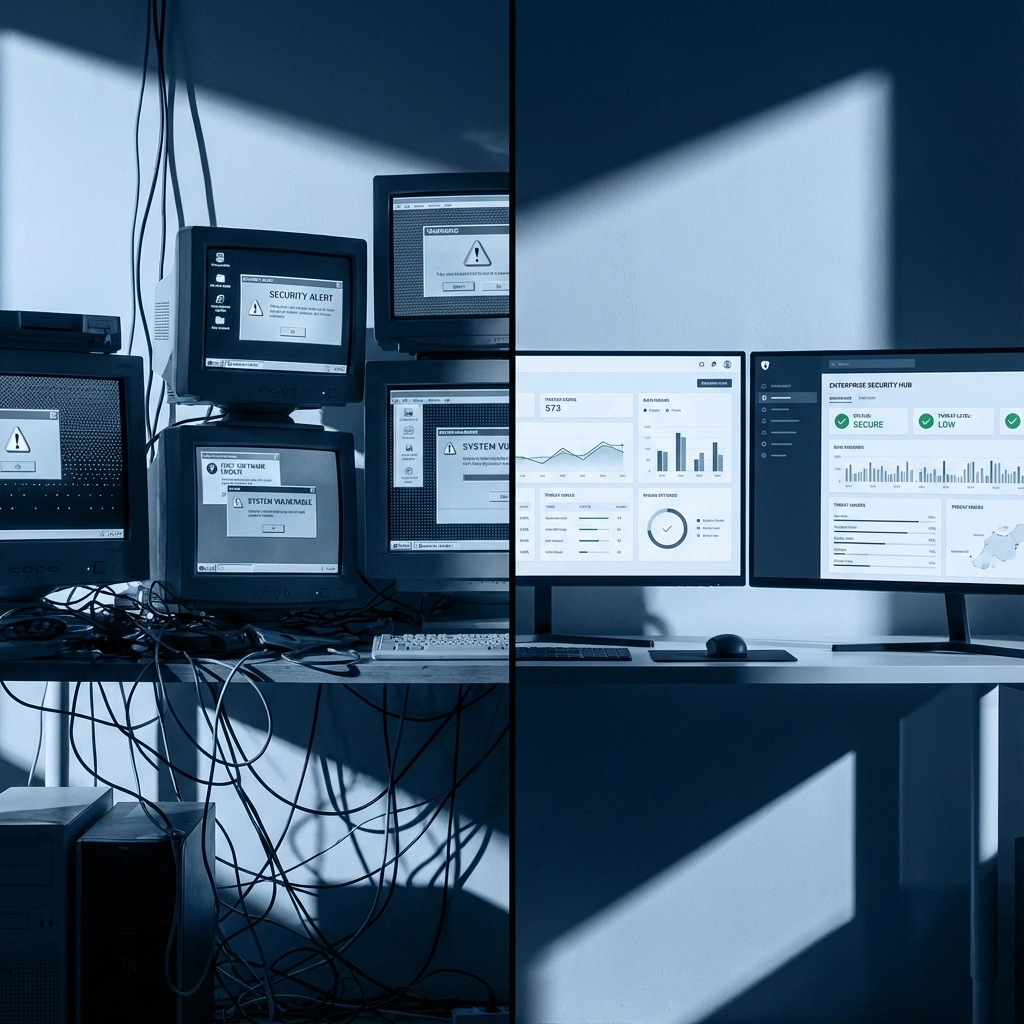
Enterprise-grade solutions like Microsoft Copilot with data protection enabled, ChatGPT Enterprise, or Google Workspace AI offer specific guarantees about data handling and often include features like local data residency. These tools are designed to integrate with existing business systems and provide audit trails that free tools simply can’t match.
The research is clear: Australian SMBs using enterprise-grade AI solutions report better security outcomes and greater confidence in their data protection. While the initial investment is higher, the protection of business and client data typically justifies the cost, especially when you consider the potential impact of a data breach.
Consider your industry’s specific requirements too. Healthcare, finance, and legal services have stricter compliance needs that free tools rarely address adequately.
Step 4: Evaluate AI-Powered Security Capabilities
Now comes the exciting part: looking at what AI can actually do to protect your business. Modern AI-powered security tools offer capabilities that would have been science fiction just a few years ago.
Real-time threat detection using machine learning can identify unusual patterns that might indicate a security breach. These systems learn what normal activity looks like in your environment and flag anomalies that human analysts might miss. This is particularly valuable for SMBs that don’t have dedicated security teams monitoring their systems 24/7.
Look for tools with cloud-native architecture that automatically update their threat intelligence without requiring manual intervention. This ensures you’re always protected against the latest threats without needing to manage complex update processes.

Integration capabilities are crucial. If you’re already using Microsoft 365, Google Workspace, or other cloud platforms, look for security tools that integrate seamlessly with these systems. Tools like Microsoft Defender for Business or Google Cloud Security Command Center can provide comprehensive protection while working with your existing infrastructure.
Automated investigation and response features can dramatically reduce the time between threat detection and response. These systems can automatically isolate compromised devices, block suspicious network traffic, or quarantine dangerous files while alerting your team to investigate further.
Don’t forget about user behaviour analytics: tools that monitor how people actually use your systems and identify when someone’s behaviour deviates from normal patterns. This can catch insider threats or compromised accounts that traditional security tools might miss.
Step 5: Implement Governance and Ongoing Monitoring
Choosing the right tools is only half the battle: implementing them properly and maintaining oversight is equally important. Your AI cybersecurity approach needs to integrate with your existing security framework, not replace it.
Establish clear accountability for AI tool usage and security outcomes. Someone in your organisation needs to be responsible for monitoring how these tools are performing and making decisions about updates or changes.
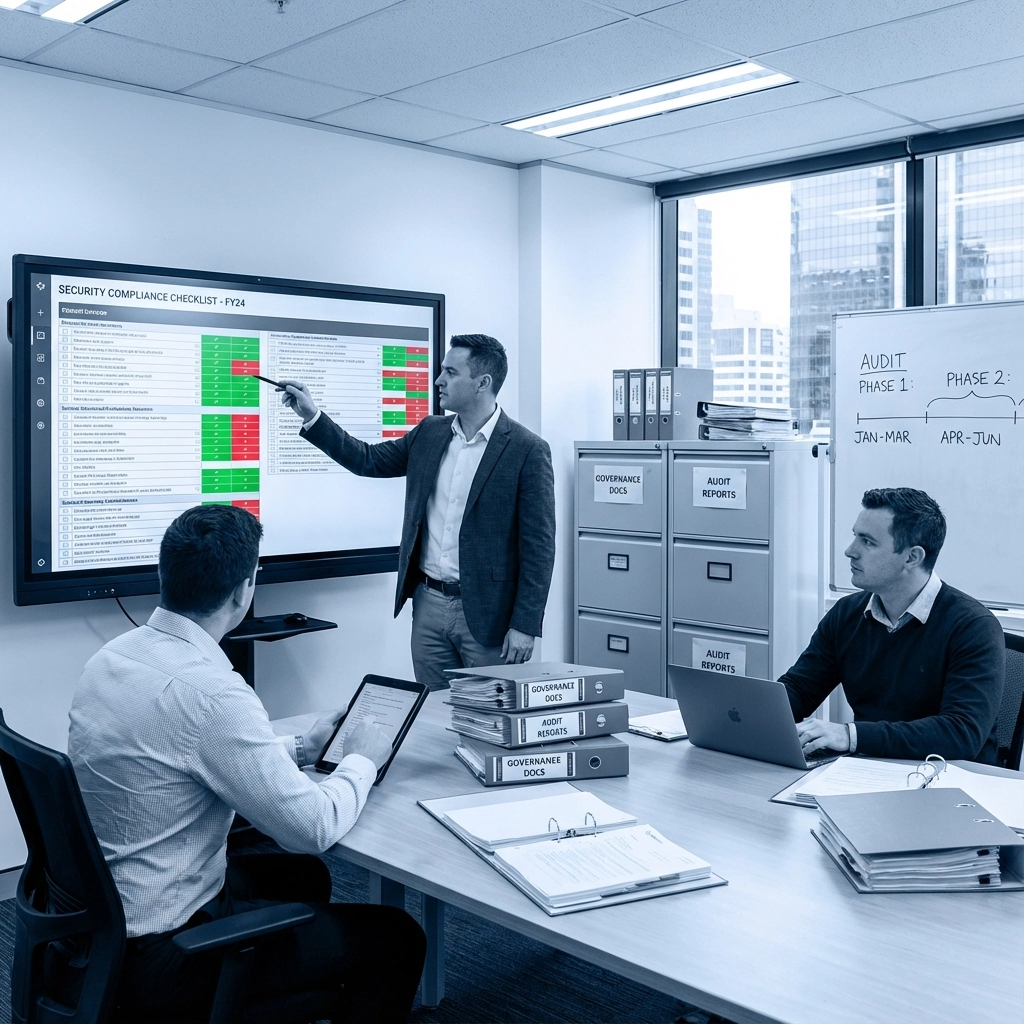
Regular audits are essential. Schedule quarterly reviews of your AI security tools to assess their effectiveness and identify any new vulnerabilities they might have introduced. Technology changes rapidly, and tools that were secure six months ago might have new risks today.
Documentation is your friend. Keep detailed records of which tools you’re using, how they’re configured, and what decisions you’ve made about their implementation. This information is invaluable when you need to troubleshoot issues or demonstrate compliance to clients or regulators.
Remember that AI governance doesn’t replace traditional cybersecurity: it enhances it. Your AI tools should work alongside firewalls, endpoint protection, and other conventional security measures to create a comprehensive defence strategy.
Consider implementing continuous monitoring to track how your AI tools are performing and whether they’re introducing any new risks. Many businesses focus on the initial implementation but neglect ongoing oversight, which can lead to security gaps over time.
Making It Work for Your Australian Business
The Australian cybersecurity landscape has unique characteristics that should influence your tool selection. Look for vendors that understand local compliance requirements and can provide appropriate data residency options.
Consider the level of support you’ll need. Tools with local Australian support teams can provide faster response times and better understanding of region-specific threats. This is particularly important for SMBs that don’t have extensive internal IT resources.
Don’t try to implement everything at once. Start with one or two tools that address your most critical vulnerabilities, get comfortable with how they work, and then gradually expand your AI security capabilities as your team’s expertise grows.
The goal isn’t to have the most sophisticated AI security setup: it’s to have the right tools properly implemented and maintained. A simple solution that’s well-managed will always outperform a complex system that’s poorly understood.
Finally, stay connected with the broader Australian cybersecurity community. The Australian Cyber Security Centre provides excellent guidance for SMBs, and many industry associations offer resources specifically designed for smaller businesses navigating these technological changes.
Choosing AI-powered cybersecurity tools doesn’t have to be overwhelming. By following these five steps and focusing on your specific business needs rather than the latest trends, you can build a security framework that truly protects your organisation while enabling the innovation that AI tools can provide.